
NEW COMMERCIAL PREVENTIVE SERVICE
CoolGuard Coil
Cleaning and Inspection
Preventive refrigeration coil cleaning and inspection for restaurants, cafes, delis, bakeries, bars, markets, wineries, commercial kitchens, and high-end homes across Santa Rosa and Sonoma County.
An ounce of prevention is worth a walk-in full of protection. Keep your cold equipment breathing properly, document temperatures, and catch small concerns before they become expensive problems.

STARTER VISIT
Starting at $249
Includes up to 4 refrigerated units
Cleaner coils & stronger airflow
Photos & temperature documentation
Quarterly cleaning habit
Gasket and repair concerns noted
$249 over a 90-day quarterly schedule is about $2.77 per day.
Electrical Savings From Clean Coils
Clean coils can help lower run time, energy use, and compressor stress. Electrical savings are helpful, but the bigger value is protecting the equipment restaurants depend on every day.
A Simple Savings Example
Using one refrigerated unit that costs about $450 per year to operate, even a modest efficiency improvement can create savings over time.
| Efficiency Improvement | Estimated Yearly Savings Per Unit |
|---|---|
| 10% improvement | About $45 per year |
| 15% improvement | About $67 per year |
| 20% improvement | About $90 per year |
| 25% improvement | About $112 per year |
When One Unit Becomes Ten
Once you add reach-ins, prep tables, undercounter units, freezers, walk-ins, and display coolers, electrical cost becomes a real operating number.
| Number of Similar Units | Possible Yearly Electrical Savings |
|---|---|
| 4 units | About $180-$450 per year |
| 8 units | About $360-$900 per year |
| 10 units | About $450-$1,125 per year |
A simple quarterly cleaning schedule can help keep equipment cleaner, airflow stronger, and problems easier to catch before they become expensive.
Built From Real Restaurant Experience
CoolGuard was built from over 30 years of hands-on restaurant experience. The service is based on the simple habit of cleaning refrigeration coils and checking door gaskets on a consistent schedule.
At Betty's Fish & Chips, regular coil cleaning and gasket checks helped many refrigerated units operate for 15-plus years. In today's restaurant environment, with inflation, rising food costs, labor pressure, repair bills, and equipment replacement costs, small preventive steps matter more than ever.
From one restaurant owner to another: the goal is simple - keep you in the cool and help you stay away from high temperatures.
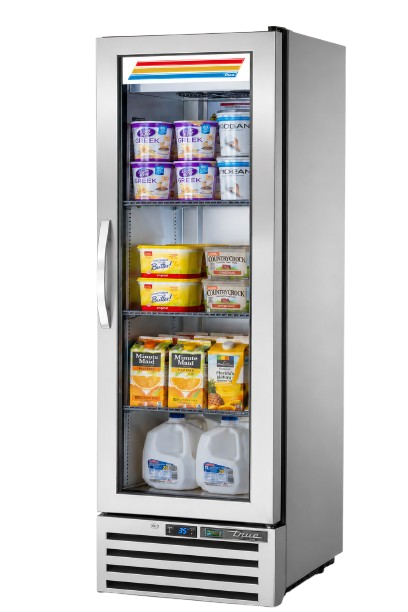
Make/model documentation can help create simple operating-cost snapshots for each refrigerated unit.
Restaurant Refrigeration Works Hard Every Day
Dust, grease, flour, lint, airborne kitchen debris, fryer oil, and heavy door traffic can quietly build up on condenser coils and door gaskets.
Most owners and managers do not see the problem until the box starts running warm, the compressor is under stress, or valuable food inventory is at risk.
Restaurants
Cafes
Wineries
Markets
Commercial Kitchens
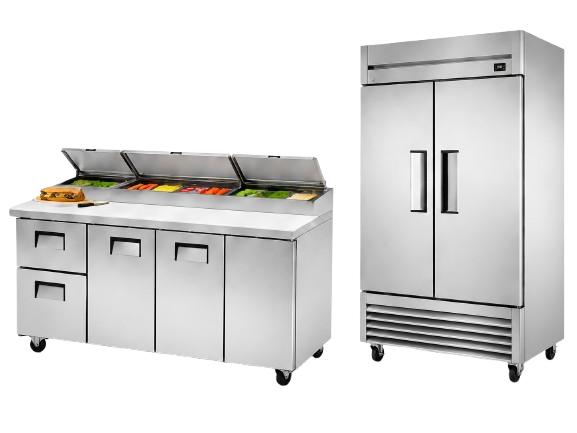
Many commercial units pull air through the lower front grille, close to the floor where dust, flour, lint, hair, and kitchen debris naturally collect.
1
Clean the Coils
Remove dust, grease, flour, lint, and debris from accessible condenser coil areas using coil-safe cleaning practices.
2
Inspect the Unit
Visually check coil condition, gasket condition, temperature readings, and concerns that should be watched or referred out.
3
Document the Visit
Provide photos, unit notes, make/model information, temperature readings, and a simple unit-by-unit report.
Curious About Your Coils?
If you are unfamiliar with coil management or simply curious about the condition of your refrigeration equipment, CoolGuard can open up an accessible lower front grille and show you exactly what is happening.
Over time, debris gets packed into the coil fins and begins to restrict airflow. When the coil cannot breathe properly, the refrigerator has to work harder, run longer, and may struggle to maintain proper temperature.
Most restaurants clean the kitchen every day, but refrigeration coils often go untouched for years until there is a problem.
What We Do
✓ Accessible condenser coil cleaning
✓ Coil condition inspection
✓ Gasket condition visual check
✓ Temperature documentation
✓ Before-and-after photos
✓ Unit-by-unit reporting
✓ Estimated energy-cost snapshot
✓ Repair or gasket recommendations when needed
Simple CoolGuard Visit Process
1. Identify
Record unit location, type, make, model, and visible information.
2. Inspect
Check visible coil condition, gasket condition, and current temperature readings.
3. Clean
Use coil-safe brushing and high-suction vacuum debris removal where accessible.
4. Document
Provide photos, temperature notes, unit-by-unit reporting, and repair referral if needed.
Why Dirty Coils Hurt Refrigeration Equipment
One of the most common causes of refrigeration problems is heat-related compressor stress.
When condenser coils are packed with dust, grease, flour, lint, and kitchen debris, the unit cannot release heat properly. That restricted airflow forces the compressor to work harder, run longer, and operate under more heat and pressure than it should.
✓ Higher electric use
✓ Longer run times
✓ Warmer cabinet temperatures
✓ Poor temperature recovery
✓ Added compressor stress
✓ Emergency service calls
✓ Shorter equipment life
✓ Possible food loss
Simple Rule
A refrigerator that cannot breathe cannot cool efficiently.
Clean coils help refrigeration equipment release heat, reduce compressor strain, improve airflow, and protect the food and equipment your restaurant depends on every day.
Why Restaurants Are Tougher
Units often sit low to the ground near cook lines, fryers, flour, dust, grease, and heavy foot traffic.
Recommended Cleaning Schedule
Monthly
Best for busy kitchens, fryer-heavy operations, griddles, bakeries, flour-heavy areas, and high-grease environments.
Quarterly / Every 90 Days
Recommended standard for most restaurants, cafes, delis, bars, markets, wineries, and commercial kitchens.
Every 6 Months
Minimum schedule for cleaner, lower-volume environments where grease, dust, and airborne debris are limited.
A simple quarterly cleaning schedule can help keep equipment cleaner, airflow stronger, and problems easier to catch before they become expensive.
Residential Home Add-On
CoolGuard is also available for residential homes, rental properties, and high-end home refrigeration units across Sonoma County.
Most homeowners clean the inside of the refrigerator, but very few ever clean the condenser coils underneath, behind, or near the front access area. Homes with pets, garage refrigerators, secondary freezers, wine coolers, and high-end built-ins can collect dust, lint, and pet hair around condenser coil areas.
Pets
Homes with dogs or cats are a great fit for routine refrigerator coil cleaning.
Rentals
Helpful for landlords, Airbnb/VRBO owners, property managers, and long-term rentals.
HVAC Condensers
Outdoor AC condenser coils can collect dust, leaves, pollen, grass clippings, and debris that restrict airflow and make the system work harder.
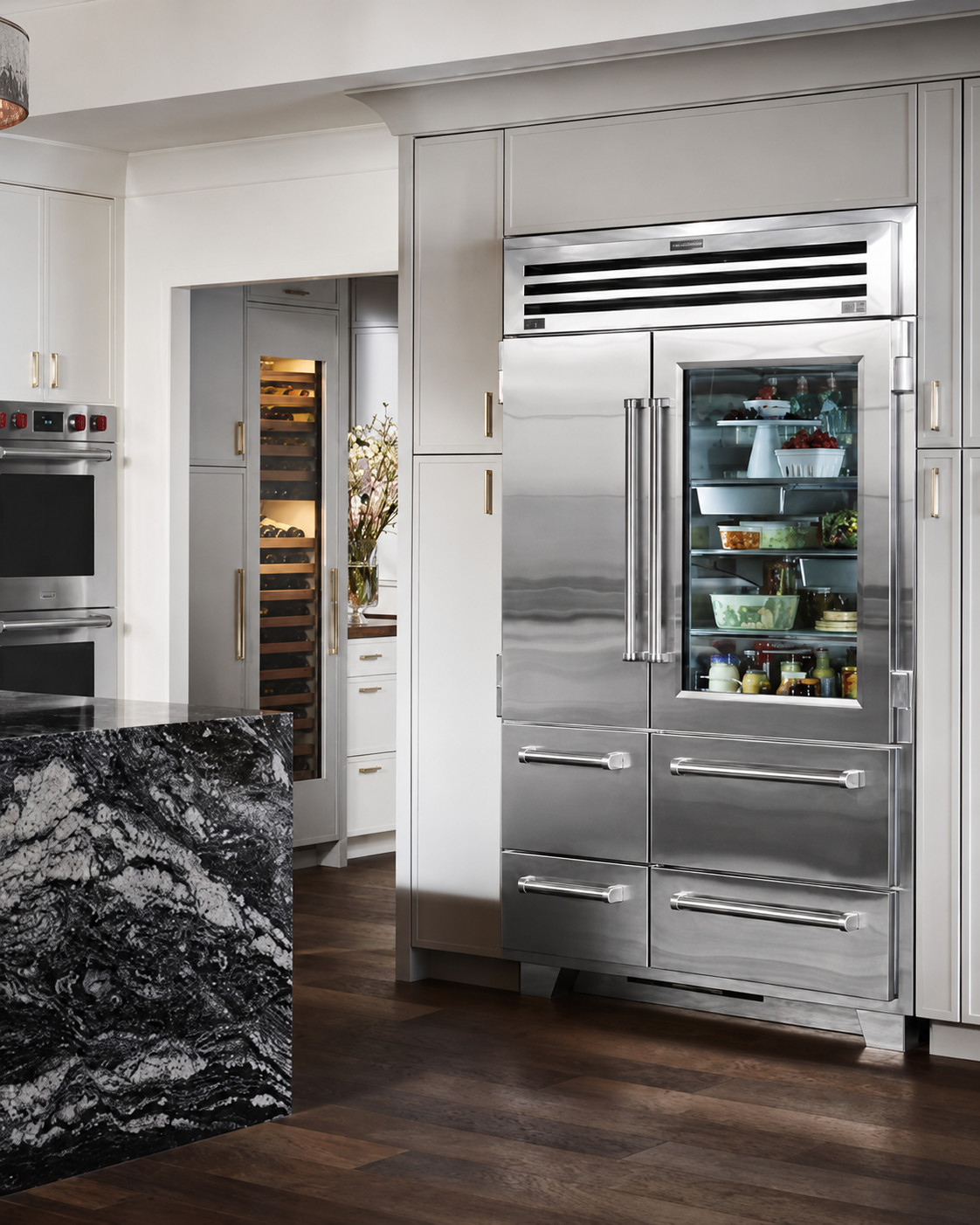
Residential refrigerators, wine coolers, and built-ins can collect dust, lint, and pet hair around condenser coil areas.
Repair Support When Needed
If a repair or replacement issue is found during the inspection, you are not left on your own. CoolGuard handles coil cleaning, visual inspection, temperature documentation, and reporting.
When licensed repair is needed, CoolGuard can note the concern and help connect the customer with a licensed refrigeration repair partner when appropriate.
Service Note: CoolGuard provides coil cleaning, visual inspection, temperature documentation, and unit reporting. If a concern requires repair or replacement, the recommendation can be noted and referred to a licensed refrigeration repair partner.
Starter Visit & Service Packages
STARTER VISIT
$249
Includes up to 4 refrigerated units
| Package | Unit Count |
|---|---|
| Starter Package | Up to 4 refrigerated units |
| Standard Restaurant Package | 4-8 refrigerated units |
| Large Kitchen Package | 8-12 refrigerated units |
| Multi-Unit / High-Volume Package | 12+ refrigerated units |
Clean the coils. Check the gaskets. Protect the food.
Schedule a starter visit, quarterly cleaning program, residential add-on, or quick coil-condition review for your restaurant, winery, commercial kitchen, or home refrigeration equipment.
Brian Hall | 707-479-7578 | sonomashine.brian@gmail.com